
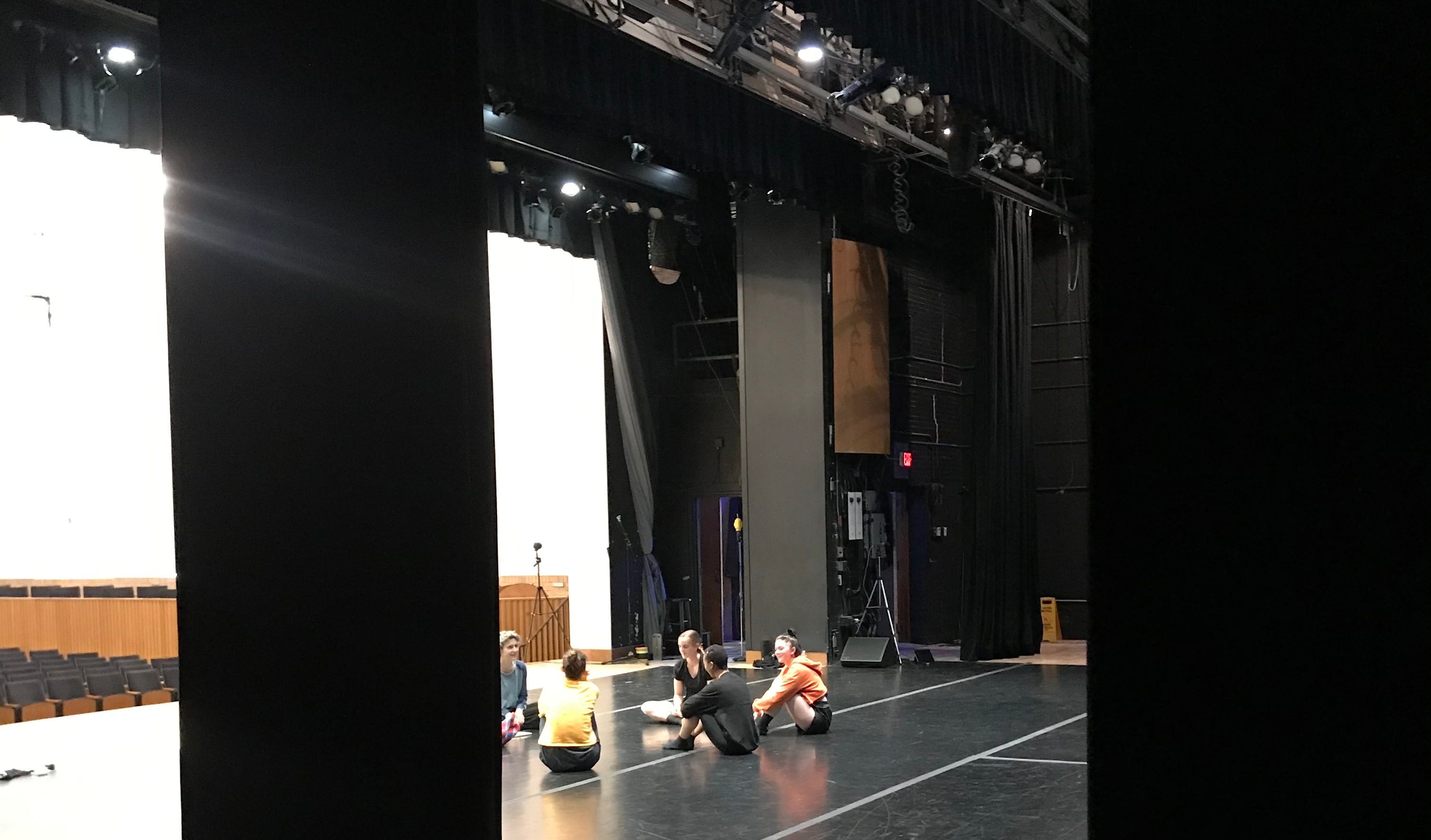
We have built a remarkable infrastructure for developing new work in this country. We have built almost nothing for developing the people who will care about this work.
Theaters locally and nationally have created new play development programs, artist residencies, or combinations of both. Artist retreats give creators room to escape the day to day and focus. Festivals, labs, commissions, and fellowships make it possible for new work to germinate. These are important programs and should continue to be supported. They have an impact not just on the artist but on the field. An impact that resonates for years and builds the next generation of great art.
In reflecting on all of this, I keep thinking of one phrase: independent process.
A theater running a new play development program is developing work for their theater, focused on their organization’s audiences and goals. A retreat is giving artists space to create and send the work home for its next phase. A new play festival is sharing a host of new shows with a specific community.
Each one of them is doing its job well, but each is also independent from the rest. That independence misses a broader connection that could support all of them: the audience.
There are often public interactions inside these processes and programs. A staged reading, a workshop production, a talkback or a feedback session. I believe deeply in these early connections to work in progress. Early is where passion is formed.
Those moments tend to be brief and self-contained. A supporter might sit in on part of the process and eventually see the finished production. Rarely do we bring audiences on a bigger journey.
We don’t bring audiences on that larger journey because, independently, each of our organizations has to focus on selling a finished product. They are rightly built with marketing departments whose job is to sell, because in the end that is what a theater needs to survive.
Nobody is built to carry an audience from one organization’s process to another organization’s stage. No one’s survival depends on it.
I believe that is the layer missing from our arts ecosystem, and that building it would take pressure off individual institutions and artists rather than adding to it. More than that, it would make all of us stronger than we can be independently.
I imagine a city or a region that builds an audience for new work and shares that audience across the organizations serving artists. People are cultivated and encouraged to experience work early in its process and follow it through to its final presentation. They become excited about the artists and all the organizations developing work because they have been a part of so much of it. A standing community of people who want to be in the room early, that any organization could invite into its own process.
Whatever this becomes, it must be built alongside the programs already doing this work and never in competition with them. It should complement what exists, fill the gaps between institutions, and serve the artists and organizations already serving our communities.
This is possible because I believe audiences already want it. Someone may love the work of one theater and still be moved by an artist who creates all over the city. It should not be Woolly Mammoth’s job to promote a playwright whose work was on their stage last season and is now in production at Arena Stage. Nor should it be the responsibility of Arena Stage to reflect on a previous production. It should be somebody’s job. Right now it is nobody’s.
I am going to spend some time here thinking about what it would take to build it, and I will be having these conversations with leaders across our community as well. If you have ideas, feedback or pushback, I want them.