
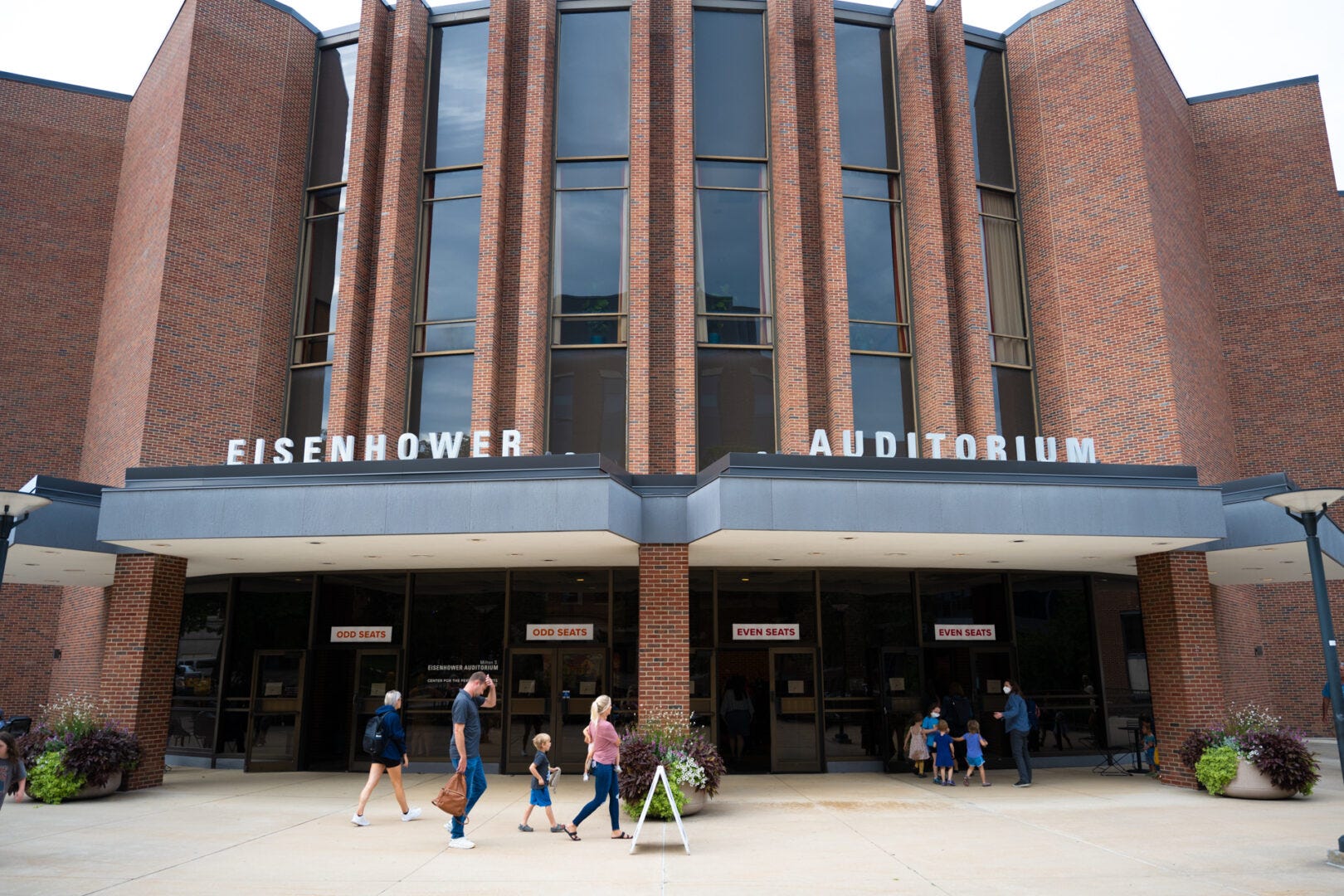
I really got into the arts in college at Penn State and had no inkling I would build a career in it. I thought I might study archaeology, or business, or something else entirely. I didn’t have a direction plotted out.
That changed my freshman year, when I went looking for a job. I don’t remember how I found it, but the performing arts center on campus needed paid ushers, and it seemed like a fun way to make some money. I never looked back. I loved the work, the theater, and the people I worked alongside. I grew into a house manager and went on to hold other roles at the center that shaped everything that came after.
For a long time, I told people I got into the arts because I liked meeting famous people. Honestly, that was only partially true. Working in house management, I met the stars we presented, including: B.B. King, Jane Goodall, Greg Louganis, Billy Joel and Tori Amos to name a few.
Looking back, though, I stayed in the field because of something deeper. Meeting those people was special, but what I loved more was the feeling of being behind the scenes and watching it all come together. I never left with autographs, I left with feelings.
I’ve carried that yearning for those feelings through my whole career, and I think it’s a core reason I love experiencing work in progress more than the finished show.
I’ve written before about my belief that bringing people into the room while work is being made can create powerful engagement. I know it’s true because I’ve felt it. And yet I’ve also been to first rehearsals, open readings, and “insider” events that left me cold. Looking back, the ones that fell flat had something in common. They were going through the motions. The event happened because it always happens, one more item on a long list of things arts organizations have to get done. Somewhere along the way, those events lost their feeling.
This morning I listened to an interview with Ann Morrow Johnson on a podcast called Arts Unscripted with Monica Holt. Ann’s work spans the arts and the world of themed entertainment at Gensler. She described the difference in how the arts world and a place like Disney World start their planning. Arts organizations tend to begin by asking what they’ll put on this year. Entertainment designers begin by asking how they want people to feel, and who they haven’t reached yet. It’s a completely different starting place, and it stuck with me, because it pinpointed exactly what was missing from those evenings.
To be clear, I’m not suggesting artists should make work to hit a target demographic. The art belongs to the artist, but how we invite people into the process belongs to us, and that invitation deserves the same care and energy we put into the final production.
So before we pull back the curtain, maybe we ask ourselves a few questions. What do we want people to feel when they step into this process? Who hasn’t been in the room that this work could speak to? How do we bring them to the table long before we sell them a ticket? And how can they feel like part of the process, not just witnesses to it?
If we take the time to answer those questions first, we’ll create experiences people carry with them for years.
Most people aren’t hunting an autograph, they’re chasing a feeling.